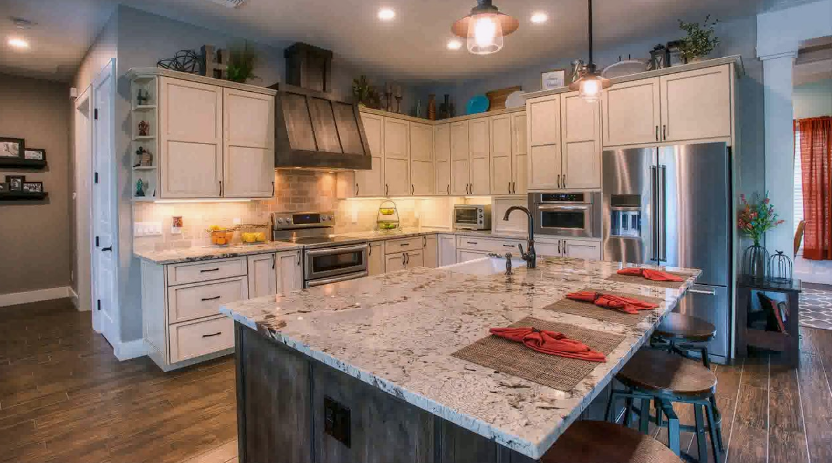
Kitchen remodeling services transform outdated kitchens into modern, functional, and visually appealing spaces. A well-planned kitchen renovation improves daily usability, enhances storage efficiency, and increases overall property value. Whether it is a small upgrade or a full renovation, working with a professional contractor ensures better design, durability, and long-term results.
This guide explains kitchen remodeling services, design options, renovation process, materials, benefits, and key factors homeowners should understand before starting a kitchen upgrade project.
What is Kitchen Remodeling?
Kitchen remodeling is the process of upgrading or redesigning a kitchen layout, structure, and features to improve functionality and appearance. It may include cabinet replacement, countertop installation, flooring upgrades, lighting improvements, and appliance integration.
A professional contractor evaluates the kitchen space and creates a customized plan based on budget, style, and daily usage needs.
In simple terms, kitchen remodeling turns an outdated kitchen into a modern, efficient, and comfortable cooking space.
Why Kitchen Remodeling is Important
Kitchen remodeling is one of the most valuable home improvement projects because it directly improves daily living and long-term property value.
It helps improve kitchen functionality, makes cooking easier, increases storage space, enhances visual appeal, and improves energy efficiency when modern appliances are installed. A properly planned remodel also reduces clutter and improves overall workflow in the kitchen.
What is Included in Kitchen Remodeling Services?
Kitchen remodeling services cover a wide range of upgrades depending on the project size and requirements.
Cabinet work includes replacement, refacing, and custom storage solutions that improve organization. Countertop installation involves materials like quartz, granite, marble, or laminate depending on design preference.
Flooring upgrades may include tile, vinyl, or hardwood installation for durability and style. Lighting improvements often include LED fixtures, under-cabinet lighting, and modern ceiling designs.
Appliance integration focuses on installing energy-efficient ovens, refrigerators, and cooktops. Plumbing and electrical work may include sink installation, faucet upgrades, and wiring improvements.
A contractor manages all these tasks to ensure smooth execution and quality results.
Kitchen Remodeling Process Step by Step
Kitchen remodeling follows a structured process to ensure efficiency and proper execution.
The process begins with consultation, where a contractor evaluates the kitchen and understands project goals. Next is design planning, where layout, materials, and style are selected.
After planning, demolition removes old fixtures, cabinets, and flooring. Structural work follows, including plumbing and electrical adjustments.
Installation involves cabinets, countertops, flooring, and appliances. Finishing includes painting, lighting setup, and final detailing. The project ends with inspection to ensure everything is properly installed and functional.
Popular Kitchen Remodeling Styles
Kitchen design styles vary based on homeowner preference and space layout.
Modern kitchens focus on clean lines, minimal design, and smart appliances. Traditional kitchens include wood finishes, warm tones, and classic cabinet designs.
Contemporary kitchens combine modern and traditional elements for balanced aesthetics. Open concept kitchens connect with living or dining areas for a more spacious feel.
A contractor helps choose the best style based on home structure and usability.
Materials Used in Kitchen Remodeling
Material selection plays an important role in durability and design quality.
Cabinets are commonly made from solid wood, plywood, or MDF depending on budget. Countertops may include quartz, granite, or laminate surfaces.
Flooring materials include ceramic tiles, hardwood, or vinyl planks. Backsplashes often use glass, ceramic, or stone designs.
Choosing high-quality materials ensures long-term performance and easier maintenance.
Kitchen Remodeling Cost Factors
Kitchen remodeling cost is not fixed and depends on multiple factors.
Kitchen size is one of the biggest cost influences. Larger kitchens require more materials and labor. Material quality also impacts overall pricing since premium finishes cost more.
Labor complexity, plumbing changes, electrical upgrades, and appliance selection also affect total cost. Custom designs and structural modifications increase project time and expense.
A contractor provides a detailed estimate based on project requirements.
Kitchen Remodeling vs Renovation
Kitchen remodeling involves major structural and design changes, while renovation focuses on minor updates.
Remodeling includes layout changes, new installations, and full redesign. Renovation usually includes painting, small fixture replacements, and surface improvements.
Remodeling is ideal for complete transformation, while renovation is better for budget-friendly upgrades.
Benefits of Hiring a Professional Contractor
Hiring a contractor ensures better planning, safety, and execution.
A contractor manages design planning, material selection, installation, and coordination of different tasks. This reduces errors and saves time.
Professional work also ensures compliance with safety standards and improves long-term durability of the kitchen.
Common Kitchen Remodeling Mistakes
Many homeowners make mistakes during remodeling projects.
Poor space planning can reduce kitchen efficiency. Low-quality materials may lead to early damage. Ignoring lighting design affects usability and appearance.
Not hiring a contractor often results in installation errors. Lack of ventilation planning can also cause long-term issues.
Proper planning helps avoid these problems.
How Long Does Kitchen Remodeling Take?
Project duration depends on size and complexity.
Small upgrades may take one to two weeks. Medium remodeling projects take three to five weeks. Full kitchen renovations may take six to eight weeks or longer depending on customization.
Kitchen Maintenance After Remodeling
Proper maintenance keeps the kitchen in good condition for years.
Regular cleaning of countertops and cabinets prevents damage. Plumbing fixtures should be checked for leaks. Appliances should be maintained as per manufacturer instructions.
Avoiding moisture buildup helps protect materials and extend kitchen lifespan.
FAQs
What is kitchen remodeling?
Kitchen remodeling is the process of upgrading or redesigning a kitchen to improve functionality, appearance, and efficiency. It includes cabinets, countertops, flooring, lighting, and appliances.
How long does kitchen remodeling take?
Kitchen remodeling usually takes between three to eight weeks depending on project size, design complexity, and material availability. Small upgrades are faster while full renovations take longer.
Do I need a contractor for kitchen remodeling?
Yes, hiring a contractor is highly recommended. Ensures proper planning, quality installation, and smooth coordination of all remodeling tasks.
What adds the most value in kitchen remodeling?
Cabinets, countertops, modern appliances, and lighting upgrades add the most value. These improvements enhance functionality and significantly increase property resale value.
Is kitchen remodeling worth it?
Yes, kitchen remodeling is worth it because it improves daily comfort, enhances home value, and increases energy efficiency with modern designs and appliances.
Conclusion
Kitchen remodeling is a valuable investment that enhances both functionality and appearance. With proper planning and the help of an experienced contractor, homeowners can transform outdated kitchens into modern, efficient, and attractive spaces.
Every stage, from design to installation, plays an important role in achieving long-lasting results and improving overall home value.