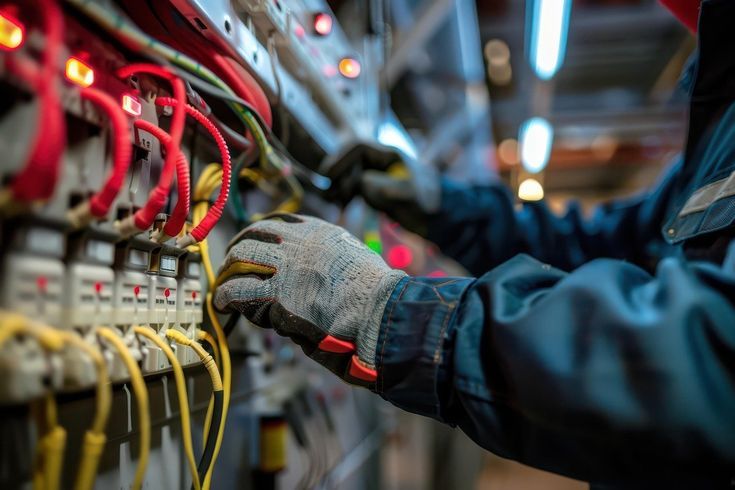
We have an infinite number of home appliances that help us run our lives, along with the wiring network that hides behind the walls and panels and outlets that remain visible. Every appliance, every connection, and every unit you have at home needs a different kind of electrical work to function.
This guide lists the main types of electrical work you might need to get done to maintain safety, its cost, and how to choose the right professional. Let Alliance Allied Inc. break it down so you know what you’re paying for.
What Are Electrical Work Services?
The installation, repair, and maintenance work required for the electrical unit counts as the electrical work services. Licensed electrical contractors lay the wires, do the panel work, install lighting, and perform troubleshooting, along with installations.
Your local handyman might also be able to provide quick fixes during emergencies, but their improper work can also lead to emergencies. Being careful about who you call is essential.
Not all electrical work can be done without the right skill, as every task comes with its challenges and safety risks. Which is why choosing licensed professionals with experience in electrician services will make you thank yourself in the future. A simple outlet swap is relatively easier than a full house rewiring, but equally dangerous.
Common Electrical Work That Can Make or Break Your Home
- Wiring and Rewiring
Installing new aluminum wires or replacing the worn ones. It includes running new circuits for home additions and updating the existing wiring in previously constructed homes to make sure they match the current safety codes.
- Panel Upgrades and Circuit Breakers
Replacing faulty breakers, correcting the overloaded ones, and upgrading from 100A to 200A to prevent tripping and fire risks.
- Lighting Installation
Installing modern light fixtures that include recessed lights, outdoor fixtures, smart lighting systems, and chandeliers for an improved look and functionality.
- Switch Repair or Installation
Repairing the non-working GFCI outlets or installing new ones, dimmers, 3-way switches, or USB-enabled outlets that maintain grounded connections and maintain safety.
- Troubleshooting
Finding and fixing tripping hazards, like breakers, lights, dead outlets, and recurring faults that signal towards wiring or other electrical problems.
- Safety Checks
Routine safety assessments to point out what needs maintenance. While pre-sale inspections bring to light the hidden faults in the entire electrical system, which can not only damage the appliances but also be an electrical or fire hazard.
- EV Charger Installation
Installing EV charging stations in residential spaces eliminates the need to find a source of power and makes it easier and more convenient.
- Generator Hookup
Installing an extra source of power that comes in handy during power cuts and powering spaces with excessively heavy appliances.
- Home Surge Protection
Protects home appliances from the effects of unforeseen spikes in voltage.
Importance of Professional Electrical Work
At the top of the list lies safety. Fires and shock risks are the most common and dangerous ones that not just violate the code but also put actual lives at risk. There’s no doubt a DIY attempt will be much cheaper than a professional electrician service, but if we cut to the chase, the slightest mistakes can lead to more expensive home electrical repairs than what you might be able to save.
While the insurance coverage may be voided by unlicensed work, licensed electricians handle permits and inspections that protect you and your home. Now that you know the services, here’s how to choose the right one.
How to Choose an Electrical Service Provider
- Check license + insurance. Non-negotiable for safety and permits.
- Get 3 quotes. Compare scope, not just bottom-line price.
- Ask about the warranty. Confirm labor and parts coverage in writing.
- Read reviews. Notice remarks on punctuality, cleanliness, and end results.
- Look for red flags like no license, refusal to provide a written estimate, or cash-only jobs.
Final Thoughts
Home appliances can turn into a walking disaster at any time with the failure of the tiniest bit of electrical unit, which is in need of maintenance or repairs. Home electrical work ranges from small repairs to complete system upgrades.
When you know the types of services available and who to call for the best work, you cannot only hire smarter but also avoid a lot of safety risks. Need help figuring out which service fits your home? Contact a local licensed electrician for an inspection.
Frequently Asked Questions
1. What’s the difference between an electrician and a handyman?
An electrician is a licensed professional who has been trained to perform all sorts of electrical work, while a handyman is only trained to perform basic repair work around the home.
2. What is the average cost for electrical work?
Depends on the job. Outlet install: $100–$250. Panel upgrade: $1,500–$3,500. Always get a written estimate.
3. Can I do electrical work myself?
Small tasks like changing a light bulb are fine. But the extensive wiring, panel upgrades, and new circuit installation must be handled by professionals.
4. How often should I get an electrical inspection?
Every 5–10 years, or before buying/selling a home, or if your home is 25+ years old.
5. What are the signs that I need electrical work?
Frequent breaker trips, flickering lights, burning smells, hot outlets, or ungrounded old outlets.